

Crossbow Replicas
Our crossbow replicas are designed as collector’s and decorative items, inspired by designs from the 10th to the 15th century. They stand out for their historical accuracy and craftsmanship — such as the replica of a 16th-century German sword-crossbow, modelled after the original preserved at the Museo Nazionale Castel Sant’Angelo in Rome.
From their invention in ancient China to their widespread use in medieval Europe, crossbows were valued for their precision and power. In the European Middle Ages, they became essential weapons on the battlefield, favoured by soldiers for their ease of use. One of the most famous examples of their effectiveness was the Battle of Hastings in 1066.
At Kolser.com, we are proud to offer crossbow replicas that keep this historical legacy alive. Each model in our catalogue is carefully designed to ensure quality and authenticity. Our replicas are not only decorative pieces, but also windows into the past.
Crossbow Catalogue


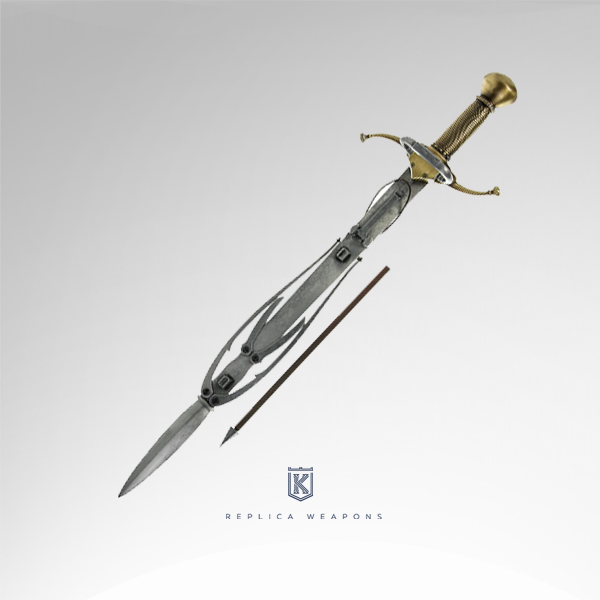

Other Weapon Replicas

Revolvers

Rifles
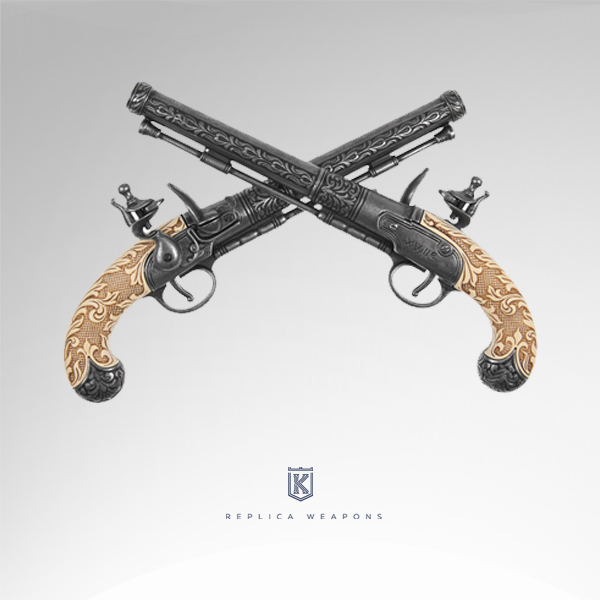
Flintlock Pistols
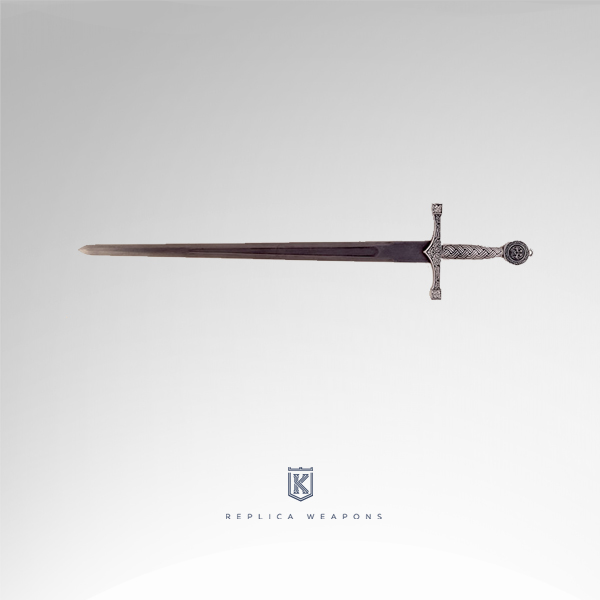
Swords
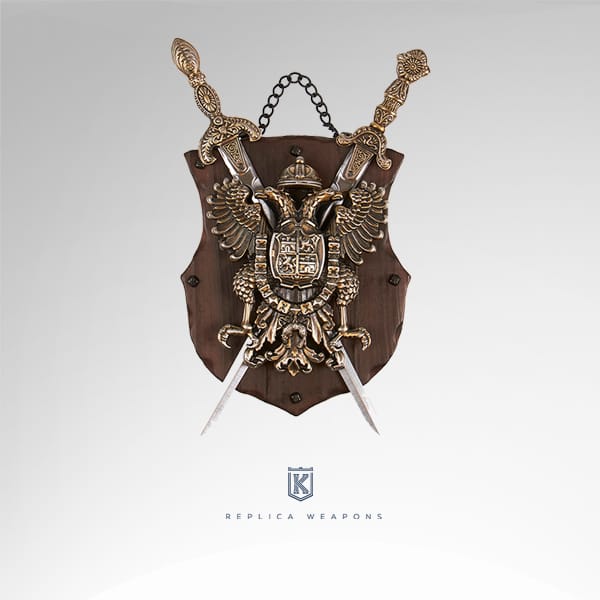
Coats of Arms

Crossbows
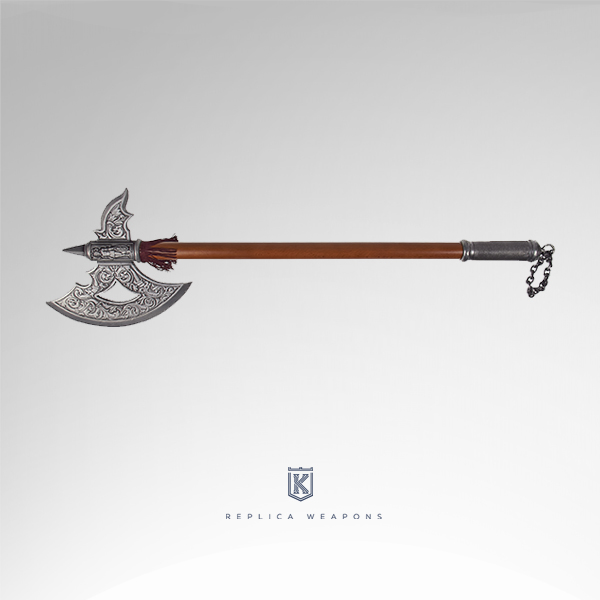
Axes
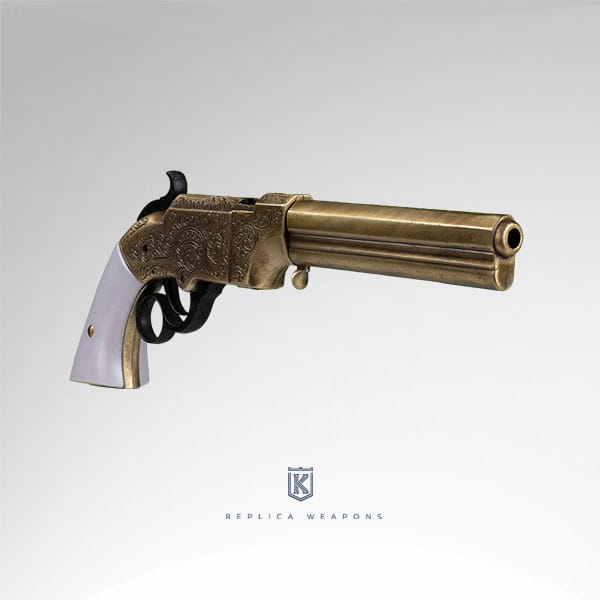
Old West Pistols
Other Weapon Replicas
Revolvers
Rifles
Flintlock Pistols
Swords
Coats of Arms
Crossbows
Axes
Old West Pistols
Frequently Asked Questions
There are two notable types of crossbows: the 16th-century German sword-crossbow, a replica featuring a sword-style grip and blade, and the 10th-century medieval crossbow, known for its lightweight build, long range, and handcrafted design.
Any projectile fired from a crossbow is called a bolt. It is also known as a quarrel or a crossbow bolt
Early crossbows were portable projectile weapons typically operated by a single archer. They quickly gained popularity for royal escort protection and hunting, thanks to their precision and ease of use.
Later versions, capable of multiple shots, were designed for use in military campaigns, making them valuable assets in warfare.
Throughout the Middle Ages, many powerful weapons emerged, but the crossbow stood out for its accuracy and force. It was used by knights, trained crossbowmen, and foot soldiers, as it required less skill than a traditional longbow.
Crossbows played a crucial role in medieval warfare, leaving a lasting mark on the battlefield and influencing military strategy for centuries.
 EN
EN  ES
ES  FR
FR  DE
DE  IT
IT