

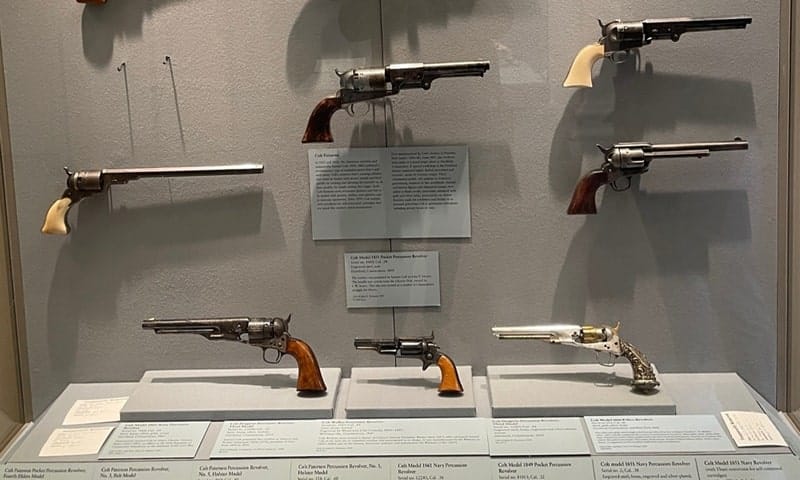
Displaying historical replica weapons on a wall requires a careful balance between interior aesthetics and structural safety. In this guide, we explain how to select the best mounts and display plaques to showcase your collection without damaging your walls or compromising the artisanal finishes of our pieces.
The Value of Displaying Historical Weapons in Your Home Decor
Collecting historical reproductions goes far beyond accumulating display items; it is a way to preserve a tangible fragment of history within your own living space. Integrating these pieces into the decor of a private study, library, or recreation room adds unmistakable cultural depth and refined period character.
Historical replica weapons deserve a presentation worthy of their heritage (if you have questions before acquiring your first piece, we invite you to consult our guide on how to identify quality replica weapons). Proudly showcasing the elegant lines of an 18th-century flintlock pistol or the iconic silhouette of an American frontier rifle transforms any conventional room into an authentic private gallery that sparks conversation and historical appreciation.
Types of Mounts for Displaying Replica Weapons by Model
Each historical era and firearm format requires a tailored display solution to guarantee both physical stability and maximum visual presence.
Wall Plaques for Medieval Swords and Western Rifles
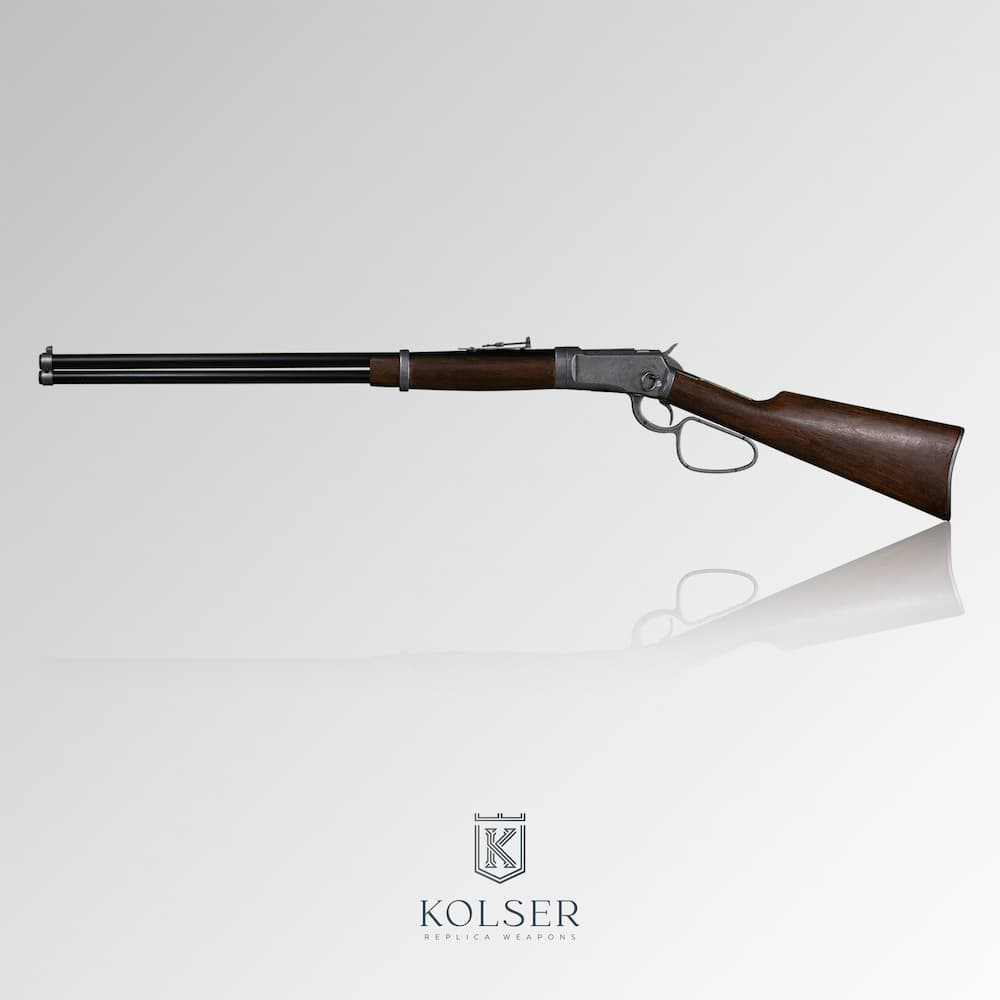
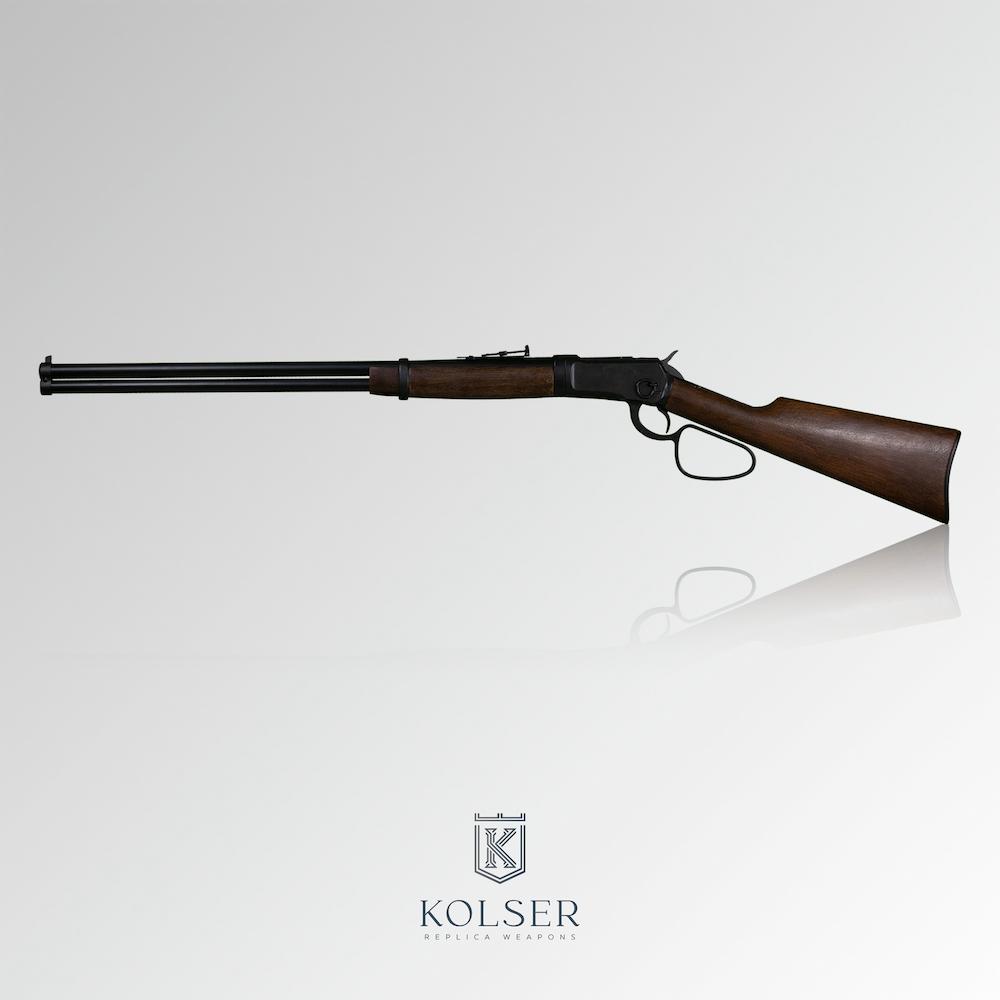
Substantial pieces require mounting systems that distribute weight evenly across the surface. Wall panoplies and wooden display plaques, traditionally crafted from fine timber, represent the definitive classic mounting solution. They allow historical milestones such as our Winchester rifle replica to be anchored securely to the wall, offering dual support points that prevent tilting or mechanical strain. For medieval swords, shield-shaped wooden plaques not only hold the blade and crossguard firmly in place, but also reinforce the heraldic context of the display.

Wall Racks and Display Cases for Revolvers and Pistols
For compact sidearms, space optimization and balance are essential. Individual wall display mounts allow you to create dynamic arrangements (such as a classic crossed presentation of two Colt Peacemaker revolver replicas). If your priority is shielding your collection against ambient dust or frequent handling, wall-mounted display cases with velvet-lined backings are the ideal choice. They frame the piece like a fine work of art while accentuating the contrast between the metal finishes and the rich fabric backing.
Panoply, Individual Mount, or Display Case: Which Solution Fits Each Piece?
In summary, here is how the three primary display solutions compare:
| Solution | Recommended Pieces | Primary Advantage |
|---|---|---|
| Wall panoply | Medieval swords | Evenly distributes weight via dual supports and reinforces historical context |
| Individual wall display rack | Revolvers and historical pistols | Allows custom visual compositions while optimizing wall space |
| Velvet-lined wall display case | Pieces requiring protection from dust or frequent handling | Provides maximum surface protection and a museum-grade presentation |
How to Hang Heavy Replicas on Walls Without Damaging the Piece or the Wall
A major concern among collectors is that inadequate wall fixings could result in an accidental fall, damaging both the wall and the replica itself. Proactive planning and proper mounting hardware are essential.
The Weight of Zamak: Proper Anchors and Finish Protection
All Kolser replicas are crafted from zamak (a solid alloy of zinc, aluminum, magnesium, and copper), providing a substantial heft and tactile balance that closely replicates original historical pieces. Over this solid zamak core, artisanal finishes recreate the appearance of brass, polished steel, or antique blued iron. This realistic mass makes adhesive strips and lightweight picture hooks entirely unsuitable.
To mount these pieces safely, always use expansion wall plugs suited to your specific wall construction (solid masonry, drywall, or plaster) paired with high-tensile steel screws.
For optimal handgun support, use two large U-shaped hooks so the replica rests securely without scratching its metal finish. You can install anchors directly into the wall or, to avoid multiple wall perforations, mount the hooks onto a finished wooden plaque that serves as a single structural anchor.
Which Wall Anchor to Use According to Wall Type
Selecting the correct anchor depends on your wall structure and the total display weight:
| Wall Type | Recommended Anchor | Structural Consideration |
|---|---|---|
| Solid brick or masonry | Standard expansion anchor (nylon or metal) | The most load-bearing surface for heavier assemblies, such as sword panoplies |
| Drywall or plasterboard | Dedicated drywall anchor (spring toggle or hollow-wall metal plug) | Distributes weight over fragile surfaces; verify the manufacturer's maximum load rating |
| Poured concrete | Heavy-duty expansion anchor with masonry drill bit | Requires hammer drilling; provides maximum load capacity for large showcases |
Legal Inquiries: Do I Need a Gun Safe for a Decorative Replica?
New collectors often wonder whether decorative reproductions fall under the strict storage regulations of functional firearms.
Our reproductions are decorative items not engineered or capable of firing ammunition. While they incorporate articulated working mechanisms to recreate historical handling (such as cocking the hammer or turning the cylinder), they completely lack functional barrels or internal firing systems. Under general regulations, these pieces are classified as decorative home furnishings and do not require gun safes, licensed cabinets, or administrative permits. However, as local display ordinances may vary internationally, we recommend verifying local municipal regulations before purchase, especially if ordering from outside the European Union.
Maintenance Tips for Your Displayed Historical Replicas
Once securely mounted, maintaining your displayed pieces is remarkably straightforward. Because they are replicas cast in corrosion-resistant zamak, they do not suffer from the rapid iron oxidation typical of antique firearms. Keep the display room free from excessive humidity, avoid prolonged exposure to direct sunlight to preserve surface lacquers, and gently wipe the pieces with a dry microfiber cloth to remove dust.
For detailed guidance on mechanism care or cleaning residue from percussion caps, consult our downloadable maintenance guide.


 EN
 ES
 FR
 DE
 IT